Man with Van in Dulwich

Our man with van service in Dulwich is set up for straightforward moving work that needs careful handling, sensible loading and clear communication from start to finish. We help with the transport side of a move, including single-item collections, furniture movements, room-to-room transfers, and practical small removals that do not call for a full-scale removal truck. If you need a compact moving solution in Dulwich, this service keeps the process focused on getting belongings moved safely and efficiently.
The work suits customers who want help with moving furniture, boxed household items, appliances or mixed loads without booking a larger operation than the job requires. Our approach is simple: we plan the vehicle space, handle loading with care and aim to make the journey itself as orderly as possible. Because every move is different, the best way to request a quotation is to give a clear description of the items, access at each end and the destination.
For larger household moves, business deliveries or items that need extra handling, we can also discuss related moving options such as home moves, commercial moves and furniture pick-up. These pages help you compare the kind of support that may fit your job, whether the priority is a single collection, a fuller property move or the movement of a few important pieces. Tell us what needs moving, where it is going and when it needs to happen so we can shape the quotation around the actual work.
What our Dulwich moving service covers

Our core service is designed around the practical stages of a move rather than unnecessary extras. That means lifting, carrying, securing and transporting items in a way that suits the size of the job and the nature of the load. A man with van arrangement can work well for partial house moves, eBay collections, student moves, single-room relocations and local deliveries where the main requirement is dependable transport with hands-on help.
We can also support jobs that involve a mixture of items, such as boxes together with furniture, soft furnishings or dismantled pieces. If the load needs to be broken down into smaller parts, that should be described when you request a quote so the time and handling involved can be reflected properly. For customers comparing moving options, our man and van page gives another way to understand the service style, while moving truck may be more relevant when vehicle size is the deciding factor.
Typical jobs can include collections from shops or storage, local moves between flats, transport of office items, and careful movement of household belongings that fit within a van-based service. The best match depends on the access, the number of items and whether the job is a one-off run or a fuller relocation. If you are unsure which service fits, a short description is usually enough to start the conversation.
How we handle loading, transport and delivery

Loading and transport are often where the difference is felt. We organise items so they travel securely and can be unloaded in a controlled way at the destination. That matters for awkward shapes, heavier furniture and fragile possessions that should not be left loose among other items. A measured loading plan can also help make the most of the available van space without forcing items into positions that could increase the risk of damage.
When planning a move, it helps to think about what needs protection, what can be stacked and what should be kept separate. Bulky pieces may need to be carried before smaller boxed contents, while delicate objects may need clear space around them. If you are arranging a quotation, good access details make it easier to match the right vehicle and approach to the job. Stairs, parking limits and narrow entrances all affect how a move is carried out.
If you need additional support around packing before the move, our packing and unpacking services can help with that side of the job, and insurance and safety provides more information about the precautions taken during handling and transit. You may also find book online useful when you are ready to send the details through and move the process forward in a simple way.
Domestic moves and smaller relocations
Not every household move needs a full removals team with a large vehicle and a long checklist. A man with van service can be a practical choice for one-bedroom properties, shared homes, smaller flats and situations where only selected belongings are travelling. It can also suit customers moving part of a property now and the rest later, or those taking furniture to a new home while leaving larger fixed items behind.
For domestic work, the most useful quotation details are usually the volume of items, whether any large furniture needs dismantling, and how straightforward the loading and unloading points are. If there are parking restrictions or long carrying distances, those should be mentioned early because they influence the time needed on the day. To compare the style of service against fuller house-moving support, you can also look at house removalists and home moves.
Where the move is limited to a few pieces, a direct van-based run may be all that is needed. Where there is more to shift, the service can still remain efficient without becoming overcomplicated. The aim is a practical move that fits the scale of the job, with the right amount of help for the amount of property being moved.
Office items, business transport and planned collections
Our moving support is not limited to household work. Small business customers sometimes need items carried between offices, stock moved to another site, or equipment delivered to a client, storage space or workplace. A van-based service can be a sensible option where the load is manageable but still benefits from careful handling and an organised approach.
For office-related jobs, the key is clarity about what is being moved and how it should be arranged in the vehicle. Desks, chairs, boxed archives and IT-related items may each need a different handling approach. If your business move is more structured, office relocation services explain a fuller commercial option, while commercial moves can help with broader planning for work premises and operational equipment.
When the job is a collection rather than a relocation, we can still help provided the item list is clear. That might include showroom stock, furniture from a supplier, or equipment being transferred between sites. The more precise the information, the easier it is to prepare a fair quotation and allocate the right vehicle space. Please include dimensions where available for unusually large or awkward items.
About Dulwich
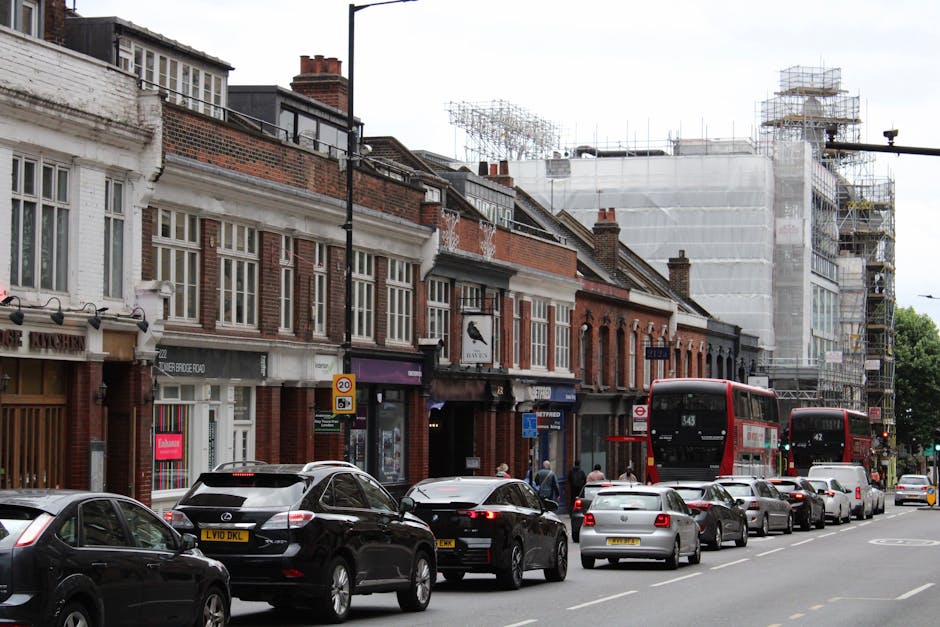
Dulwich is a district in south London known for its village character, open spaces and strong architectural identity. The area is associated with the historic Dulwich Estate, which has shaped much of the local built environment over time, and it includes a mix of residential streets, schools, cultural institutions and green space. Much of Dulwich is recognised for its low-rise streetscape, tree-lined roads and a comparatively calm feel when set against busier parts of inner London. The district is usually discussed in relation to its distinct parts: Dulwich Village, East Dulwich and West Dulwich each have their own character, while still being linked by a broader local identity. Nearby parks such as Dulwich Park and Belair Park contribute to the area’s open landscape, and the presence of galleries, churches and long-established educational institutions adds to its cultural depth. The Dulwich Picture Gallery, founded in the early nineteenth century, is one of the best-known landmarks and remains a major point of reference for the district. Rail stations and road links connect the area to the wider city, yet the local atmosphere is still shaped by residential streets, historic buildings and community use of the public realm. That mix of heritage, greenery and everyday urban life gives Dulwich a layered character that is recognisably separate from many neighbouring parts of London.
Planning the move and preparing a quotation

To prepare an accurate quotation, it is useful to keep the description of the job simple and complete. A short list of items, access notes and the destination address or area usually gives enough detail to begin. If the job involves stairs, restricted parking, limited lift access or particularly heavy objects, those points should be included at the outset because they affect labour and timing. A clear brief helps avoid confusion and makes it easier to choose the right moving arrangement.
Where useful, try to separate what is being moved into groups such as furniture, boxes, appliances and fragile items. That does not need to become a formal inventory unless the move is larger, but it gives a better picture of the work. If a move is part of a wider plan, you may also want to compare removal truck hire with man with van so the vehicle and level of support suit the scale of the job. Clear details now save time later, particularly when the collection and delivery points are not straightforward.
If you are ready to go ahead, the next step is to request a quotation with the basic facts of the move. You can also review pricing and quotes for a better sense of how moving work is assessed. For a direct enquiry, please use contact us and send the items, locations and preferred dates.
Furniture, appliances and bulky single items
One of the most common uses for a man with van service is the movement of bulky individual items that are awkward to transport in a car but do not require a dedicated large removal operation. Sofas, wardrobes, tables, chests of drawers, beds and similar items often fit this category. Appliances can also be moved where they are suitable for handling and disconnected in advance if that is needed.
For furniture and appliance work, the main questions are size, weight, access and whether the item needs dismantling or reassembly. If a piece is unusually large or delicate, mention that in the quotation request so the handling method can be planned properly. Our related service pages for mattress and sofa disposal and fridge and appliance removal are available when the job is removal rather than transport.
Where the item is being moved to a new address, the focus remains on safe carrying and steady delivery rather than waste handling. That distinction matters because different jobs need different methods. If a piece must be protected from knocks, wrapped before loading or moved through tighter access, those points should be mentioned. Accuracy about the item itself is one of the simplest ways to improve the quotation process.
Access, handling and timing

The practical side of moving work is often determined by access rather than the road distance alone. A short journey can still take careful planning if parking is limited, loading has to happen from a side entrance or the property includes several flights of stairs. Likewise, a longer local journey may still be straightforward if the collection and delivery points are easy to reach. This is why the quotation stage should focus on both the load and the access conditions.
Timing matters as well. Some moves need to happen around handover dates, delivery slots or access windows set by landlords, agents or building managers. If there is a narrow window for loading or unloading, that should be stated clearly. Where a job involves a deadline or a same-day change of plan, the service can only be scheduled properly if the timing is explained from the outset. The most useful thing you can provide is a calm, factual summary of the situation.
For customers comparing broader moving support, about us gives general company information, while complaints procedure and payment and security cover important practical matters. If you are ready to ask for a price, send the job details through and we will respond with the information needed to progress the move.
Choosing the right moving option
The best moving option is usually the one that fits the size of the load, the distance involved and the amount of help needed on site. A simple van and driver arrangement may be enough for a small collection, while a more involved move can benefit from additional loading support and a clearer schedule. The useful question is not which service sounds grandest, but which one suits the actual job in front of you.
Where the job is part of a larger plan, it may help to compare related services before booking. Home moves suits fuller domestic relocations, office relocation services suits structured workplace moves, and recycling and sustainability explains our general approach to responsible handling where relevant. If you are only moving a few items, a lighter-touch van service may be the simplest choice.
Useful information to include in your enquiry is the number of items, whether anything needs dismantling, the collection and delivery locations, and any access limitations. You do not need to write a long message, but a few specific points make the quotation more reliable. That is especially helpful when a move includes mixed items or pieces that are not easy to classify quickly.
Further support for transport and disposal
Sometimes a move involves both keeping items and letting go of others. In those situations, it can be useful to separate transport work from disposal work so each part is handled in the right way. Items that are still wanted can be moved through the man with van service, while items that are no longer needed may require a different route depending on their type and condition.
For that reason, our related pages can help you match the job to the correct support. confidential shredding is relevant where paper or records need secure disposal, while hazardous waste disposal applies to materials that must not be treated as ordinary rubbish. If you are comparing the movement of waste-like items with removal options, the distinction matters because not everything is suitable for a standard transport job.
The simplest way to keep the process efficient is to identify which items are to be moved, which are to be removed, and which need special handling. That makes the quotation stage clearer and helps avoid confusion on the day. If you are unsure whether an item belongs in the moving category, describe it plainly and let the details guide the response.